

Have you ever wondered why bicycles come with such a hefty price tag? It’s a question that has puzzled many of us as we browse through the seemingly endless array of options at the bike shop. In this article, we aim to shed light on the factors that contribute to the high cost of bicycles, from the quality of materials used to the intricate engineering behind their design. Whether you’re a seasoned cyclist or simply curious about the industry, join us as we uncover the reasons behind the expense of these two-wheeled wonders.
Material Costs
Frame Materials
The materials used for constructing bicycle frames greatly impact the overall cost of the bicycle. Different frame materials have their own unique characteristics and costs. For instance, carbon fiber frames are light and strong, but the manufacturing process and raw material costs make them more expensive compared to aluminum or steel frames. Titanium frames, known for their durability and lightweight properties, are even more costly due to the rarity of the material and the intricate manufacturing processes involved.
Component Materials
The components used in bicycles, such as gears, brakes, and wheels, also contribute to the overall expense. While there are budget-friendly options available, higher quality components tend to drive up the costs. For example, high-performance gear systems, made from lightweight and durable materials, are more expensive to produce and result in a pricier bicycle. Similarly, premium wheelsets crafted from advanced alloys and aerodynamic designs can significantly increase the overall cost of a bike.
Finishing Materials
Even the finishing touches on a bicycle, such as paint and graphics, can impact the price. Custom paint jobs or unique designs require additional time and expertise, adding to the overall cost. Furthermore, specialized finishes like powder coating or chrome plating can increase the aesthetic appeal but also increase the price. These finishing materials and processes are essential for creating visually stunning bicycles but also contribute to the higher price tag.
Labor Costs
Skilled Workers
Quality bicycles are meticulously handcrafted by skilled workers who require extensive training and experience. The expertise of these craftsmen significantly adds to the cost of production. From welding frame joints to assembling intricate components, the precision and attention to detail invested by these workers ensure the durability and performance of each bicycle. The wages of these skilled workers contribute to the overall price of the bicycles but also guarantee superior craftsmanship.
Assembly Line
In addition to skilled workers, modern bicycle manufacturing often involves assembly lines, where each worker specializes in a particular task. This division of labor allows for efficient and streamlined production. However, the setup and operation of assembly lines require significant investment in machinery, training, and infrastructure. These costs, along with the wages of assembly line workers, are factored into the price of the bicycles.
Quality Control
To ensure the utmost safety and reliability, bicycles undergo rigorous quality control measures throughout the manufacturing process. Skilled inspectors carefully examine every component and aspect of the bicycle, from the frame alignment to the functioning of the brakes. These quality control procedures help identify any defects or imperfections and minimize the risk of product recalls, but they also contribute to the overall cost of the bicycle.

This image is property of i.ytimg.com.
Design and Engineering
Research and Development
The development of innovative and cutting-edge bicycle designs involves extensive research and development efforts. This includes conducting market research, analyzing customer feedback, and staying ahead of emerging trends. Investing in research and development activities allows bicycle manufacturers to introduce new features and designs, enhancing the overall performance and ride experience. However, these research and development costs impact the final price of the bicycles.
Innovation and Technology
Bicycle manufacturers strive to incorporate the latest advancements in materials and technology into their products. This includes seeking out lightweight and stronger materials, developing aerodynamic designs, and integrating advanced electronic components. The incorporation of such innovations and technologies requires significant investment in research, testing, and implementation, ultimately translating into higher costs for the consumer.
Testing and Prototyping
Before a bike is ready for production, extensive testing and prototyping are necessary. This ensures that the bicycle meets the required standards for safety, durability, and performance. The costs associated with conducting thorough testing and creating functional prototypes, along with the expertise of testing engineers, contribute to the overall price of the bicycles. These rigorous testing procedures help deliver a high-quality product but also add to the development costs.
Branding and Marketing
Advertising and Promotion
Establishing a strong brand presence and effectively promoting bicycles requires investment in advertising and marketing campaigns. This includes creating compelling advertisements, sponsoring sporting events, and engaging in digital marketing strategies. The costs associated with advertising and promotion help increase brand visibility and attract a wider customer base, but they also contribute to the overall price of the bicycles.
Sponsorships and Partnerships
Bicycle manufacturers often collaborate with professional teams and athletes to enhance their brand image and reputation. Sponsorships and partnerships with respected athletes or teams help align the brand with success and credibility. However, these collaborations involve financial agreements that add to the overall expenses and influence the retail price of bicycles.
Brand Value
Branding plays a significant role in the pricing of bicycles. Established and reputable brands often command a premium due to their strong brand value. Customers are willing to pay more for bicycles associated with renowned brands, assuring them of quality, performance, and customer support. The reputation and perception of a brand influence the pricing strategy and contribute to the overall cost of the bicycles.

This image is property of cdn.shopify.com.
Import and Tariffs
Shipping and Customs
Bicycles manufactured in other countries need to be transported to their destination markets, which involves shipping costs. The size and weight of bicycles, coupled with the need for secure packaging, can increase shipping expenses. Additionally, navigating through customs processes and paying import duties and taxes further contribute to the overall cost of imported bicycles.
Tariffs and Duties
Import tariffs and duties imposed by governments on bicycles can significantly impact their retail price. These fees vary between countries and can be substantial, potentially adding a significant percentage to the overall cost of the bicycles. Importing bicycles from countries with favorable trade agreements or lower tariffs can help mitigate these additional costs.
Currency Exchange Rates
Fluctuations in currency exchange rates can affect the import costs of bicycles. When the currency of the manufacturing country strengthens against the currency of the importing country, the cost of the bicycles increases. Conversely, if the importing country’s currency strengthens, the cost may decrease. Currency exchange rates play a crucial role in determining the final price of imported bicycles.
Distribution and Retail
Wholesale and Retail Margins
Once bicycles reach the distribution stage, wholesale and retail margins contribute to their final price. Distributors and retailers add their own profit margins to cover the costs of marketing, storage, and administrative expenses. These margins vary across different distribution channels and retailers but ultimately influence the cost that the consumers pay for bicycles.
Transportation and Warehousing
The logistics involved in transporting bicycles from manufacturers to retailers also contribute to their overall cost. Transportation costs, including fuel prices, vehicle maintenance, and shipping fees, impact the final price. Additionally, the warehousing of bicycles, ensuring their safe storage and organization before they reach retailers, adds to the overall expense.
Pricing and Markups
Retailers determine the final price of bicycles based on factors such as demand, competition, and the perceived value of the product. The markups added by retailers cover the costs of running their businesses, including employee wages, rent, and other overhead expenses. The pricing set by retailers determines the price at which consumers ultimately purchase the bicycles.

This image is property of discerningcyclist.com.
Quality and Durability
Higher Quality Components
Bicycles boasting higher quality components generally come at a higher cost. These components are carefully engineered with precision and crafted from premium materials to ensure optimal performance and longevity. Investing in higher quality components enhances the overall riding experience, durability, and reliability of bicycles, but it also contributes to their price.
Longer Lifespan
One of the distinguishing features of expensive bicycles is their longer lifespan compared to their cheaper counterparts. Through meticulous design, innovative materials, and advanced manufacturing processes, these bicycles are built to withstand extensive use and environmental conditions. The durability of an expensive bicycle ensures that it can be enjoyed for a longer period, making it a worthwhile investment for enthusiasts and serious riders.
Maintenance and Repair
Expensive bicycles often come with additional support and warranty options, ensuring peace of mind for the buyer. These packages may cover maintenance services and repairs, addressing any issues that may arise during the ownership of the bicycle. The costs associated with offering such services and providing warranty coverage for expensive bicycles are factored into their initial price.
Demand and Supply
Limited Supply
In some cases, manufacturers intentionally limit the supply of bicycles to create an air of exclusivity and drive up the price. These limited edition or specialized bikes, often endorsed by renowned athletes or associated with prestigious events, become sought after by collectors and enthusiasts. The scarcity of supply and high demand for these bicycles allows manufacturers to command higher prices, often resulting in a premium price tag.
Increasing Demand
The growing popularity of cycling as a recreational activity, sport, and eco-friendly mode of transportation has led to an increase in demand for bicycles. With more people embracing cycling, the demand for high-quality, performance-oriented bicycles has surged. Manufacturers strive to meet this demand by producing a wider range of bikes, including entry-level, mid-range, and high-end options. However, the increasing demand can also contribute to higher prices due to supply and demand dynamics.
Economies of Scale
Bicycle manufacturing is influenced by the concept of economies of scale. As production volume increases, the cost per unit tends to decrease. Manufacturers can benefit from bulk purchasing of materials, streamlined production processes, and efficient distribution networks. Consequently, as the scale of production increases, manufacturers can pass the cost savings on to consumers, resulting in more affordable bicycles. However, very high-end or specialized bikes may still command higher prices due to their unique features and limited production volumes.

This image is property of hips.hearstapps.com.
Specialized Features
Suspension Systems
Bicycles equipped with advanced suspension systems for enhanced comfort and improved handling often come at a higher cost. Suspension forks, shock absorbers, and other suspension components require specialized designs, high-quality materials, and precise engineering. These features significantly contribute to the overall performance of the bicycle, especially when riding on rough terrains or engaging in intense off-road cycling.
Electronic Components
The incorporation of electronic components into bicycles, such as electronic shifting systems or integrated GPS devices, can increase their price. These electronic features require innovative technology, efficient wiring systems, and complex integration processes. The development and integration of such technologies into bicycles contribute to their overall cost, appealing to those looking for the latest advancements and convenience in their cycling experience.
Customization Options
Manufacturers often offer customization options to cater to the individual preferences of consumers. Customizable features, such as frame size, color options, and component choices, allow cyclists to personalize their bicycles. While these customization options offer enhanced versatility and uniqueness, they also add to the cost of production, as manufacturers need to accommodate individual requests and ensure the quality of customized parts.
Product Range
Entry-Level Bikes
Entry-level bicycles are designed for individuals who are new to cycling or are looking for a budget-friendly option. These bikes often feature simpler designs, basic components, and more affordable materials. While they may not possess the advanced features or high-performance capabilities of their higher-end counterparts, entry-level bikes still provide a reliable and accessible entry point into the world of cycling.
Mid-Range Bikes
Mid-range bicycles target cyclists who seek a balance between affordability and performance. These bikes offer a step-up in terms of materials, components, and features compared to entry-level options. Mid-range bikes typically strike a balance between quality and price, catering to both casual cyclists and more avid riders who desire a greater level of performance and durability.
High-End Bikes
High-end bicycles cater to professional athletes, serious cyclists, and those seeking the pinnacle of performance. These bikes are manufactured with top-of-the-line materials, cutting-edge technologies, and precision engineering. Offering the highest level of performance, durability, and customization options, high-end bikes come with a higher price tag. They are designed for riders who demand the utmost in performance and are willing to invest in their passion for cycling.
In conclusion, the cost of bicycles is influenced by various factors, from the materials used to the level of craftsmanship, research and development, branding, import costs, and demand and supply dynamics. Premium bicycles often incorporate high-quality components, advanced technologies, and customization options, resulting in a higher price. However, the investment in a quality bicycle ensures a superior riding experience, durability, and satisfaction for cyclists of all levels. Ultimately, understanding the factors contributing to the cost of bicycles allows consumers to make informed purchasing decisions and find the perfect bike for their needs.
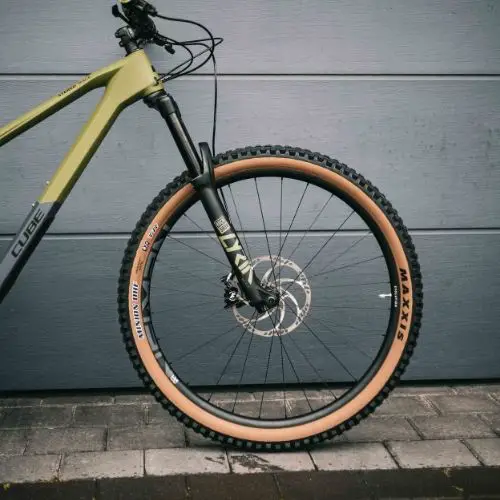
This image is property of bikesfaq.com.


