

Are you ready to hit the road for an outdoor adventure but worried about how to transport your precious bicycle? Well, fear not! In this article, we will explore the intriguing question of whether a bicycle can fit inside a car. We all know that transportation can be a challenge, especially when it comes to larger items like bikes. However, by the end of this article, you will have a clearer understanding of the possibilities and potential solutions, allowing you to embark on your next cycling escapade with ease and convenience.

This image is property of i.ytimg.com.
Factors to Consider
When it comes to transporting a bicycle in a car, there are several factors to consider. These factors include the size of the car, the type of bicycle, the type of car, whether the bicycle is foldable, and the option of removing the wheels. Taking these factors into account will help ensure a smooth and safe transportation experience for both the car and the bicycle.
Size of the Car
The first factor to consider is the size of the car. If you have a smaller car, such as a compact sedan or a hatchback, you may need to make some adjustments in order to fit the bicycle inside. Larger cars, such as SUVs, minivans, or trucks, generally have more space and can accommodate a bicycle without much hassle. It’s important to assess the dimensions of your car’s trunk or cargo area before attempting to fit a bicycle inside.
Type of Bicycle
The size and type of your bicycle also play a crucial role in determining whether it can fit inside your car. Different types of bicycles have different dimensions and shapes, so it’s important to consider the frame size, wheel size, and overall geometry of the bike. For example, a compact folding bike will likely be easier to fit inside a car compared to a large, full-sized road bike or mountain bike. Taking accurate measurements of your bicycle’s dimensions can help you determine whether it will fit in your car.
Type of Car
The type of car you own or plan to use for transporting your bicycle is another important factor to consider. Different types of cars have different designs, trunk sizes, and cargo areas. Sedans, hatchbacks, SUVs, minivans, and trucks all have their own unique characteristics that can impact the ease of bicycle transportation. Understanding the limitations and capabilities of your car’s cargo space will help you choose the most suitable method for transporting your bicycle.
Foldable Bicycles
Foldable bicycles are becoming increasingly popular due to their compact nature and ease of transportation. These bikes are designed with hinges and folding mechanisms that allow them to be folded into a smaller, more manageable size. Foldable bicycles can be a great option for car transportation, as they can easily fit into smaller cars or even be stowed away in the trunk of a sedan. These bikes are particularly convenient for urban commuters or anyone with limited storage space.
Removal of Wheels
Another option to consider is the removal of the bicycle wheels. This can significantly reduce the overall size of the bike, making it easier to fit inside a car. Most bicycles have quick-release mechanisms that allow for easy removal of the wheels. By removing the front and/or rear wheel, you can create more space in your car and ensure a secure fit. However, it’s important to properly secure the removed wheels during transportation to prevent any damage to your car or bicycle.
Choosing the Right Car
Selecting the right car for transporting your bicycle is crucial to ensure a successful and efficient journey. Here are some car options that are commonly used for bicycle transportation:
Sedans
Sedans are popular choices for everyday commuting, but they may pose a challenge when it comes to fitting a bicycle inside. Most sedans have limited trunk space, which may require the bike to be disassembled or have the wheels removed for it to fit. However, with careful planning and measurements, it is still possible to transport a bicycle in a sedan, especially if it is a compact folding bike.
Hatchbacks
Hatchbacks offer more versatility and cargo space compared to sedans, making them a better choice for transporting bicycles. With the rear seats folded down, hatchbacks can accommodate a full-sized bicycle without the need for disassembly or wheel removal. It’s important to measure the cargo area of your specific hatchback model to ensure it can comfortably fit your bicycle.
SUVs
SUVs are a great option for those with larger bicycles or multiple bikes to transport. SUVs generally have spacious cargo areas, which can easily accommodate a bicycle without the need for disassembly or wheel removal. Additionally, SUVs often have roof racks or hitch mounts that offer additional options for securing bicycles during transportation.
Minivans
Minivans are the kings of cargo space, making them an excellent choice for transporting bicycles. With their sliding doors and spacious interiors, minivans can easily fit multiple bicycles without the need for any disassembly. If you’re planning a family cycling trip or need to transport bicycles for a large group, a minivan is the ideal option.
Trucks
Trucks offer a rugged and convenient option for transporting bicycles. With a truck bed or a bike rack attached to the truck, you can easily secure the bicycles and transport them safely. Trucks are especially popular among mountain bikers or cyclists who frequently engage in outdoor adventures, as they provide ample space for bicycles and can handle rough terrain.
Choosing the right car for transporting your bicycle depends on factors such as the size of your bike, the number of bikes you need to transport, and the level of convenience you desire. Assessing these factors will help determine the most suitable car option for your needs.
Removing Bicycle Wheels
In some cases, removing the bicycle wheels can make all the difference when it comes to fitting a bike inside a car. Here’s how you can remove the front and rear wheels of a bicycle:
Front Wheel Removal
Removing the front wheel of a bicycle is relatively straightforward. Start by loosening and removing the quick-release skewer or bolts that hold the wheel in place. Once the wheel is detached, you can secure it separately or place it inside your car along with the bicycle. Be cautious when handling the front wheel, as it can be bulky and may have sharp components like disc rotors or axle skewers.
Rear Wheel Removal
Removing the rear wheel is slightly more involved due to the drivetrain components. Begin by shifting the chain to the smallest chainring in the front and the smallest cog in the rear. This will reduce tension on the chain and make it easier to remove the wheel. Loosen the quick-release skewer or bolts that hold the wheel in place, and gently slide the wheel out from the dropout. Just like the front wheel, you can secure the rear wheel separately or place it inside your car.
Securing the Wheels
Once the wheels are detached, it’s crucial to properly secure them during transportation. Place the wheels in a safe location within your car, ensuring they are not at risk of rolling or causing any damage. If space is limited, you can consider using wheel bags or wheel covers to protect the wheels and keep them securely in place. Additionally, it’s a good practice to secure any loose parts, such as quick-release skewers, to prevent them from getting lost during transportation.
Removing the bicycle wheels can make it significantly easier to fit your bike inside a car, especially if you have limited trunk or cargo space. However, it’s important to take precautions while handling the wheels and ensure they are secure during transportation to avoid any damage to your car or bicycle.
Folding Bicycles
Folding bicycles are a convenient and portable option for those who frequently need to transport their bikes in a car. These bikes have a unique design that allows them to fold into a smaller, more compact size, making them easy to carry and store. Here are some benefits of folding bicycles and the types available:
Benefits of Folding Bicycles
The main advantage of folding bicycles is their compactness. They can easily fit into small car trunks or even be carried onto public transportation, such as buses or trains. This makes them ideal for urban commuters who need to combine cycling with other forms of transportation. Folding bikes are also great for those with limited storage space at home, as they can be conveniently stowed away in a closet or under a desk. Additionally, folding bikes are usually lightweight, making them easier to carry and maneuver when not in use.
Types of Folding Bicycles
There are several types of folding bicycles available, each with its own unique features and folding mechanisms. The most common types include:
Vertical Fold: This type of folding bicycle folds vertically, with the rear wheel swinging up and towards the front of the bike. The result is a compact, upright bike that is easy to carry and store. Vertical fold bikes are known for their quick and simple folding process.
Mid Fold: Mid fold bicycles have a folding joint in the middle of the frame, allowing the bike to fold in half. This type of folding mechanism typically results in a more compact bike compared to vertical fold models. Mid fold bikes are often preferred by those who require a smaller folded package size.
Triangle Hinge Fold: Triangle hinge fold bikes have a folding point on the main frame triangle, near the seat tube and head tube junction. This type of folding mechanism allows the bike to fold into a more compact shape, making it easier to transport and store.
Magnet Folding: Some folding bicycles utilize magnets to keep the folded parts securely in place. This can be beneficial when carrying or storing the bike, as it prevents the bike from accidentally unfolding. Magnet folding mechanisms are often combined with other folding designs to provide added stability.
Each type of folding bicycle has its own pros and cons, so it’s important to consider your specific needs and preferences when choosing a folding bike for car transportation.
Folding and Unfolding Process
The folding and unfolding process of a folding bicycle will vary depending on the model and type of folding mechanism. However, the general steps usually involve releasing any latches or locks, folding or swinging the desired sections of the bike, and securing everything in place. Some folding bikes have quick-release mechanisms that make the process faster and more convenient. It’s essential to familiarize yourself with the specific folding and unfolding instructions provided by the manufacturer to ensure proper and safe operation.
Folding bicycles offer a practical and versatile solution for car transportation. Their compact size, portability, and ease of folding make them a popular choice for urban commuters and anyone looking for a convenient way to transport a bicycle in a car.
This image is property of images.summitmedia-digital.com.
Using Bike Racks
Bike racks provide a secure and reliable solution for transporting bicycles on the exterior of a car. These racks can be attached to various parts of the car, such as the roof, trunk, or hitch. Here’s what you need to know about using bike racks:
Types of Bike Racks
There are several types of bike racks available, each designed for specific car models and transportation needs. The most common types include:
Roof Mounted Racks: Roof mounted racks attach to the roof of the car and can carry one or more bicycles. They typically require the installation of crossbars and can be customized to fit the specific dimensions of your car. Roof mounted racks offer a secure and stable option for transporting bicycles, but they may add height to your vehicle and require lifting the bike overhead.
Trunk Mounted Racks: Trunk mounted racks attach to the trunk or hatchback of the car using straps and hooks. They can carry multiple bicycles and require minimal installation. Trunk mounted racks are a popular choice for their affordability and ease of use. However, they may limit access to the trunk and can potentially damage the car’s paint or finish.
Hitch Mounted Racks: Hitch mounted racks attach to the hitch receiver of the car and can carry multiple bicycles. They offer a sturdy and stable option for transportation, as they utilize the car’s hitch, which provides a strong connection point. Hitch mounted racks are typically easy to install and allow for easy access to the trunk. However, they require a hitch receiver, which may not be available on all car models.
Installation Process
The installation process for bike racks will vary depending on the type and model you choose. It’s important to carefully read and follow the instructions provided by the manufacturer to ensure proper installation and prevent any damage to your car or bicycles. Generally, the installation process involves attaching the rack to the designated mounting points on your car, securing it in place, and ensuring everything is tight and stable. It’s a good practice to periodically check the rack’s stability and tighten any loose bolts or straps during transportation.
Securing the Bicycle
Once the bike rack is properly installed, it’s essential to secure your bicycle to the rack to prevent any accidents or damage during transportation. Most bike racks have adjustable straps, clamps, or trays that hold the bicycle in place. Make sure the bike is firmly secured and doesn’t move or sway while driving. It’s also a good idea to use additional straps or bungee cords to further secure the bicycle and prevent any wobbling or shifting.
Pros and Cons of Bike Racks
Using bike racks for transporting bicycles in a car offers several advantages, but there are also some potential drawbacks to consider. Here’s a quick overview of the pros and cons:
Pros:
- Versatility: Bike racks can be used on various car models and easily transferred between different vehicles.
- Convenience: Once installed, bike racks provide a quick and easy way to transport bicycles without the need for disassembly or wheel removal.
- Accessibility: Certain types of bike racks, like trunk and hitch mounted racks, allow for easy access to the car’s trunk or hatchback even when bicycles are loaded.
Cons:
- Cost: Bike racks can be an additional expense, especially if you opt for high-quality or specialized racks.
- Potential Damage: Improper installation or inadequate securing of the bicycles can lead to damage to the car’s paint, finish, or frame.
- Height and Clearance: Roof mounted racks may increase the overall height of your car, which can be a concern when entering low-clearance areas such as parking structures or garages.
Considering the pros and cons of using bike racks will help you determine whether this transportation method is suitable for your individual circumstances and needs.
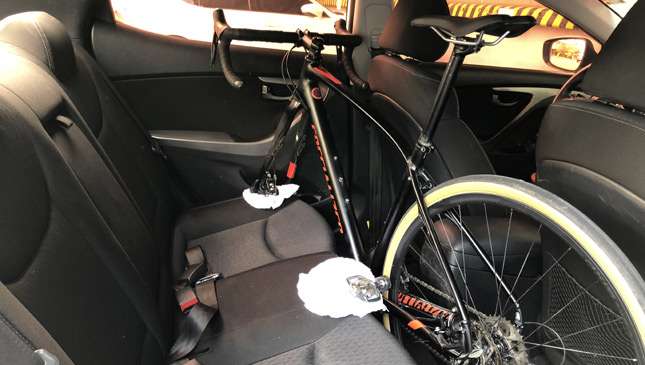
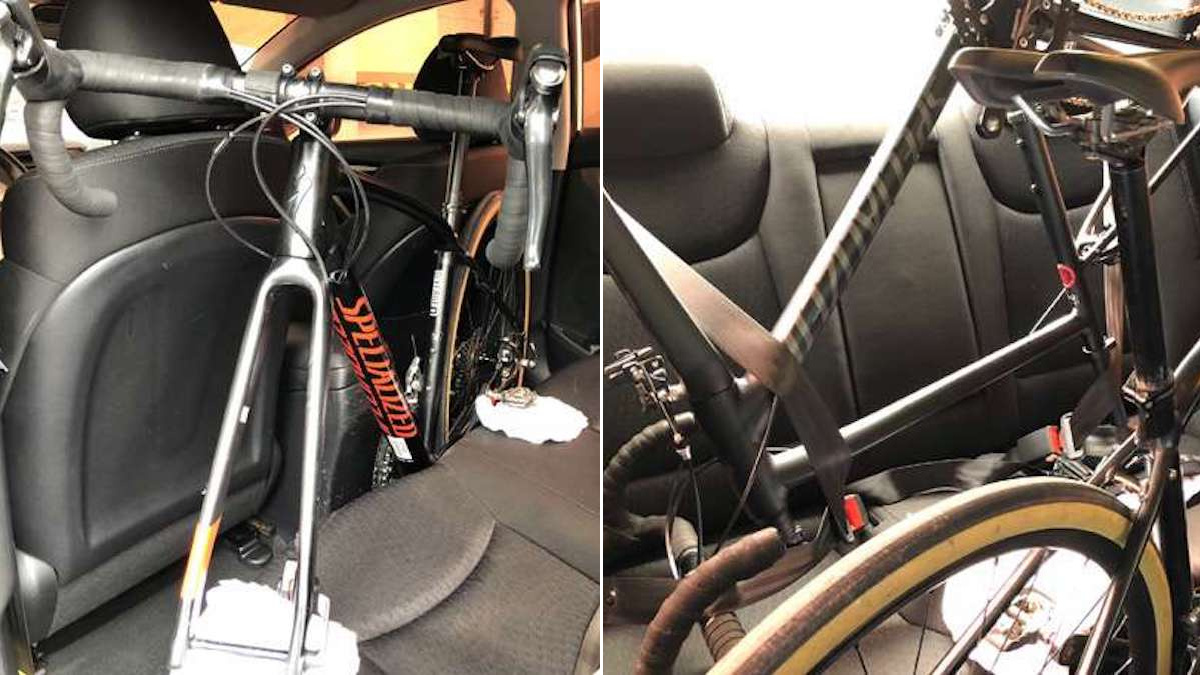
Disassembling the Bicycle
Disassembling the bicycle can be a viable option for fitting it inside a car with limited space. This process involves removing certain components, such as the handlebars, pedals, front wheel, and seat. Here’s a breakdown of how to disassemble a bicycle:
Handlebar Removal
To remove the handlebars, start by loosening the stem bolts or quick-release mechanism that holds the handlebars in place. Once loosened, the handlebars can be rotated and detached from the stem. It’s important to secure the handlebars separately or wrap them in padding to prevent any damage during transportation.
Pedal Removal
Removing the pedals from the bicycle requires the use of a pedal wrench or Allen key. The pedals are usually labeled “R” (right) and “L” (left) to indicate their respective sides. Turning the pedal wrench counter-clockwise will loosen the pedals, allowing them to be unscrewed from the crank arms. Remember that the left pedal has reverse threading, meaning you’ll need to turn it clockwise to loosen and remove it.
Front Wheel Removal
As mentioned earlier, removing the front wheel is relatively straightforward. Refer to the “Removing Bicycle Wheels” section above for detailed instructions on safely removing and securing the front wheel.
Seat Removal
Removing the seat can provide extra space and ensure a more compact fit inside the car. Most bicycle seats are attached to the seat post with a bolt or quick-release mechanism. Loosen the bolt or release the quick-release lever to detach the seat from the seat post. Make sure to secure the seat separately or wrap it in protective material to avoid any scratches or damage.
Securing the Disassembled Parts
Once the necessary components are removed from the bicycle, it’s crucial to secure them properly during transportation. Place the disassembled parts in a designated area within your car, ensuring they are stable and won’t move around. Utilizing padding, blankets, or bubble wrap can provide extra protection and prevent any damage to the car or bicycle. It’s also a good practice to secure any loose parts, such as bolts or quick-release mechanisms, to prevent them from getting lost.
Disassembling the bicycle can be a time-consuming process, but it can be worth the effort if you have limited space inside your car. Make sure to keep track of all the disassembled components and follow the proper assembly instructions when reassembling the bike.
This image is property of images.summitmedia-digital.com.
Interior Bicycle Transport
Transporting a bicycle inside the interior of a car is an option that provides additional protection from external elements and potential theft. Here’s how you can transport a bicycle inside your car:
Laying the Bicycle Flat
One of the most common methods of interior bicycle transport is to lay the bicycle flat on its side inside the car. This method works well for larger cars with foldable seats or an open cargo area, such as SUVs, minivans, or trucks. Start by folding down or removing the rear seats, creating a flat surface for the bicycle. Carefully place the bicycle on its side, ensuring it is stable and won’t move during transportation. You can use pillows, blankets, or padding to cushion the bike and protect both the car and the bicycle from any potential scratches or damage.
Securing the Bicycle
Once the bicycle is lying flat inside the car, it’s important to secure it to prevent any movement during transportation. You can use bungee cords, straps, or cargo nets to secure the bicycle and keep it in place. Make sure the bike is tightly secured and won’t shift or slide during turns or sudden stops. Periodically check the securements throughout your journey to ensure that everything remains in place.
Bicycle Cover or Protection
Using a bicycle cover or protective material can offer an extra layer of protection while transporting the bike inside your car. A cover will help prevent any dirt, debris, or grease from the bike from soiling the interior of your car. It can also protect the bike from any potential damage caused by sharp objects or other items inside the car. Consider investing in a dedicated bicycle cover or use blankets, towels, or plastic sheets to cover the bike and keep it clean during transportation.
Transporting a bike inside your car offers convenience, security, and protection. However, it’s important to ensure that the bicycle is securely fastened and won’t interfere with the driver’s visibility or the safe operation of the vehicle.
Exterior Bicycle Transport
Transporting a bicycle on the exterior of a car is a popular choice, especially for those with limited space inside the car or when traveling with multiple bicycles. Here are some options for exterior bicycle transport:
Roof Mounts
Roof mounts provide a secure and versatile option for transporting bicycles on the roof of a car. Roof mounted racks usually require the installation of crossbars, which provide a sturdy base for the rack. Once the rack is installed, the bicycle can be securely fastened using adjustable straps, clamps, or trays. Roof mounts offer the advantage of not obstructing access to the car’s trunk or hatchback, but they do add height to the vehicle. It’s important to take note of any height restrictions, such as low parking structures or garages, to avoid potential damage to the bicycles or the car.
Trunk Mounts
Trunk mounts are a popular and affordable option for transporting bicycles on the exterior of a car. These racks attach to the trunk or hatchback of the car using straps and hooks. Trunk mounts are easy to install, and they usually have adjustable arms or cradles to hold the bicycles securely in place. It’s important to follow the manufacturer’s instructions and ensure that the rack is properly secured to prevent any damage to the car or bicycles. Trunk mounts may limit access to the trunk, so it’s recommended to consider the items you might need during your journey and plan accordingly.
Hitch Mounts
Hitch mounts offer a reliable and stable option for transporting bicycles on the exterior of a car. These racks attach to the hitch receiver of the car, which provides a strong connection point. Hitch mounts are available in various styles, including hanging racks and platform racks. Hanging racks suspend the bicycles from the rack arms, while platform racks allow the bikes to rest on a platform or tray. Hitch mounts are typically easy to install and provide easy access to the car’s trunk or hatchback. However, not all cars have a hitch receiver, so it’s important to check if your car is compatible before considering this option.
Benefits and Challenges
Transporting bicycles on the exterior of a car offers several benefits, but there are also some challenges to consider. Here’s an overview of the advantages and potential drawbacks:
Benefits:
- Accessibility: Exterior racks allow for easy access to the car’s trunk or hatchback, as they don’t obstruct the rear of the vehicle.
- Convenience: Once installed, exterior racks provide a quick and easy solution for transporting bicycles without the need for disassembly or wheel removal.
- Space Saving: By utilizing the exterior of the car, you can free up valuable interior space for other items or passengers.
Challenges:
- Added Height: Roof mounted racks can increase the overall height of your car, which can be a concern when entering low-clearance areas.
- Wind Resistance and Fuel Efficiency: Exterior racks can increase wind resistance, potentially affecting the car’s fuel efficiency, especially at higher speeds.
- Security Concerns: Transporting bicycles outside the car may make them more vulnerable to theft or damage from external elements.
Considering the benefits and challenges of exterior bicycle transport will help you make an informed decision based on your individual needs and preferences.

This image is property of i.ytimg.com.
Professional Bicycle Transport
For those who prefer to leave the transportation of their bicycles to professionals, there are dedicated bicycle transportation services available. These services specialize in safely and efficiently transporting bicycles from one location to another. Here’s what you need to know about professional bicycle transport:
Professional Bicycle Transportation Services
Professional bicycle transportation services are companies that specialize in the transportation of bicycles. These services typically utilize custom-built vehicles or trailers that are specifically designed to safely secure and transport bicycles. Professional transporters are experienced in handling bicycles of all types and sizes, ensuring that your bike arrives at its destination in the same condition as when it was picked up.
Costs and Availability
The cost and availability of professional bicycle transportation services can vary depending on factors such as the distance, the number of bicycles being transported, and any additional services required. Costs can range from a flat rate for a single bike to a larger fee for multiple bikes or long-distance transport. Availability may also depend on the location and the specific services offered by the transportation company. It’s advisable to research and compare different service providers to ensure you choose a reputable and reliable company that meets your needs.
Benefits and Considerations
Professional bicycle transport offers several benefits, especially for those who require long-distance transportation or need to transport multiple bikes. Here are some advantages and considerations to keep in mind:
Benefits:
- Convenience: Professional transport services provide a hassle-free option for transporting bicycles, as they handle all aspects of the transportation process.
- Experienced Handling: Professional transporters are experienced in handling bicycles of all types and sizes, ensuring that your bike is treated with care and arrives safely.
- Time Efficiency: Opting for a transportation service can save you time and energy, allowing you to focus on other aspects of your trip or event.
Considerations:
- Cost: Professional bicycle transport services can be more expensive compared to other transportation methods, especially for long-distance or multiple bike transport.
- Timing and Scheduling: Depending on the availability and schedule of the transportation company, there may be limitations in terms of pickup and delivery dates.
- Insurance and Liability: It’s important to verify the insurance coverage and liability policies of the transportation company to ensure your bicycle is adequately protected.
Deciding to use a professional bicycle transport service depends on factors such as your budget, the distance of transportation, and the level of convenience you desire. Assessing these considerations will help you determine whether professional transport is the right option for you.
Conclusion
Transporting a bicycle in a car requires careful consideration of factors such as the size of the car, the type of bicycle, the type of car, and the available transportation methods. By taking these factors into account, you can ensure a safe and efficient transportation experience for both your car and bicycle. Whether you choose to disassemble the bicycle, use a bike rack, transport it inside the car, or opt for professional transportation services, there are various options available to suit your specific needs. Remember to plan ahead, follow proper safety guidelines, and secure your bicycle to prevent any damage during transportation. With the right preparation and method, you can enjoy the freedom of taking your bicycle on adventures, road trips, or everyday commutes with ease.

This image is property of i.ytimg.com.


