

Bicycle pedals, the essential components that connect our feet to the bike, play a vital role in the overall cycling experience. However, one question that often arises among cyclists is, “Are bicycle pedals universal?”. In this article, we’ll explore the fascinating world of bicycle pedals and delve into the various types available, shedding light on the compatibility and universality of these seemingly simple yet crucial elements of our beloved two-wheeled companions. So hop on board as we uncover the truth about bicycle pedals and unravel the mysteries that lie beneath their rotating surfaces.

This image is property of cdn-apeka.nitrocdn.com.
The Basics of Bicycle Pedals
Definition of Bicycle Pedals
Bicycle pedals are one of the most crucial components of a bicycle, as they serve as the connection between the cyclist’s feet and the bike itself. Pedals are responsible for translating the force applied by the cyclist’s legs into movement of the bike’s drivetrain, propelling the bicycle forward.
Importance of Bicycle Pedals
Bicycle pedals play a vital role in a cyclist’s overall experience and performance. They determine the efficiency and comfort of pedaling, impacting factors such as power transfer, control, and stability. Investing in the right pedals can significantly enhance your cycling enjoyment and help you achieve your fitness or competitive goals.
Different Types of Bicycle Pedals
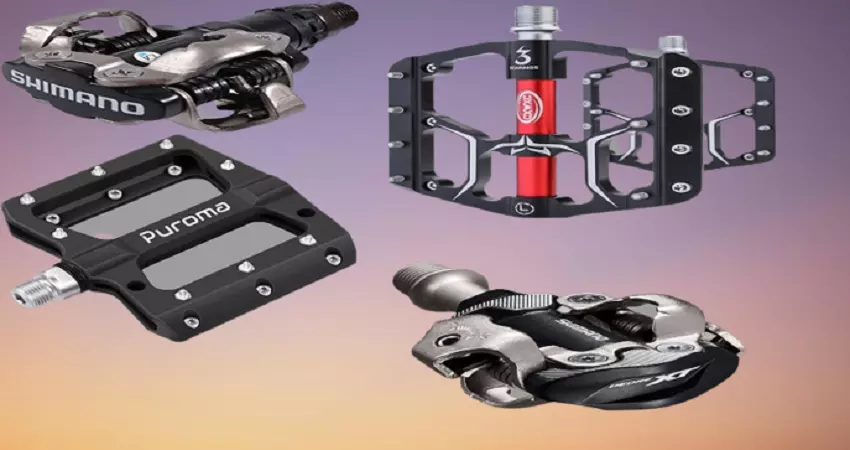
There are several types of bicycle pedals available, each designed to cater to different styles of cycling and individual preferences. The three main types of bicycle pedals include platform pedals, clipless pedals, and toe clip pedals.
Platform pedals are the most basic and common type of pedal, featuring a flat surface where the cyclist’s foot rests. These pedals are popular among casual riders and commuters who prioritize simplicity and ease of use. They are compatible with any type of footwear and offer excellent foot support.
Clipless pedals, despite their name, actually clip onto cleats mounted on the bottom of special cycling shoes. They provide a secure connection between the cyclist’s foot and the pedal, allowing for efficient power transfer and improved pedaling technique. Clipless pedals are favored by road cyclists, mountain bikers, and competitive riders seeking optimal performance.
Toe clip pedals, also known as cage pedals, consist of a cage or strap that secures the front of the cyclist’s shoe to the pedal. This design provides a level of foot retention and control similar to clipless pedals, but with the advantage of being compatible with regular footwear. Toe clip pedals are popular among urban cyclists and riders who desire the benefits of foot retention without the need for specialized shoes.
Compatibility of Bicycle Pedals
Thread Size and Type
One of the primary considerations when it comes to pedal compatibility is the thread size and type. Pedals are threaded into the crank arms, and there are two common thread sizes used in the bicycle industry: 9/16-inch and 1/2-inch. The vast majority of modern bicycles utilize the 9/16-inch thread, while the 1/2-inch thread is mostly found on older or low-end bikes. It is crucial to ensure that the pedal threads match the crank arm threads to achieve a secure and compatible connection.
Crank Arm Attachment Type
In addition to thread size, the type of attachment used to secure the pedal to the crank arm also plays a role in compatibility. The most common attachment types are known as “standard” or “three-piece” cranks and “one-piece” cranks. Standard cranks feature separate crank arms that attach to a spindle, while one-piece cranks consist of a single integrated unit. It’s important to choose pedals that are compatible with the type of crank arm attachment on your bicycle.
Cleat Compatibility
For cyclists using clipless pedals, cleat compatibility is a crucial consideration. Cleats, which are mounted on the bottom of cycling shoes, engage with the pedals to create a secure connection. Different pedal manufacturers often have their own specific cleat designs, so it’s important to ensure that the cleats on your cycling shoes are compatible with the pedals you intend to use.
Platform Compatibility
While platform pedals do not have specific compatibility concerns like clipless pedals, it is still essential to choose a pedal that suits your riding style and foot size. The size and shape of the pedal platform can affect foot support and overall comfort. Some platform pedals also feature pins or other grip enhancements to improve traction, making them suitable for mountain biking or other off-road activities.
Pedal Axle Diameter
The diameter of the pedal axle can also impact compatibility, particularly with regard to bicycle frame geometry. Some bicycles, particularly those with a narrower “Q-factor” (distance between pedal attachment points), may require pedals with shorter axles to ensure proper clearance between the pedals and the frame. It’s important to consider axle length and frame geometry to avoid interference and ensure a safe and compatible fit.
Factors Affecting Universal Pedal Compatibility
Bicycle Pedal Design
The design of bicycle pedals can vary significantly between manufacturers and even within the same type of pedal. Differences in shape, size, and materials used can impact compatibility with cleats, shoe sizes, and personal preferences. It’s essential to consider these design variations and choose a pedal that suits your specific needs and requirements.
Crank Arm Specifications
The specifications of the crank arms, such as length and interface type, can also affect pedal compatibility. Longer crank arms may require pedals with a longer axle to maintain proper clearance, while shorter crank arms may necessitate shorter axles. Additionally, certain crank arm designs may have specific pedal interface requirements, such as specific attachment threads or orientations. Understanding your crank arm’s specifications is crucial when selecting compatible pedals.
Cleat Design and Attachment
Cleat design and attachment mechanisms can differ significantly between pedal manufacturers. While some cleats may be compatible with multiple pedal brands, others may require specific cleats for optimal performance and compatibility. It’s important to consider the cleat design and attachment requirements of your pedals to ensure they are compatible with your cycling shoes.
Bicycle Frame Geometry
The frame geometry of a bicycle, particularly the Q-factor and chainstay design, can influence pedal compatibility, especially with regard to pedal axle length. Bicycles with a narrower Q-factor may require shorter pedal axles to prevent interference with the frame, while those with wider chainstays may accommodate longer axles without any issues. By considering your bike’s frame geometry, you can choose pedals that are compatible and allow for optimal pedaling efficiency.
Standard Bicycle Pedal Sizes
9/16-inch Pedals
The most common pedal size found on modern bicycles is the 9/16-inch thread, which is used on the majority of adult bikes. This size provides a secure and reliable connection between the pedal and crank arm, allowing for efficient power transfer and compatibility with a wide range of biking shoes.
1/2-inch Pedals
The 1/2-inch pedal size is less common in modern bicycles and is primarily found on older or low-end bikes. While it is still important to ensure proper compatibility with the crank arms, 1/2-inch pedals may be more challenging to find and offer fewer options in terms of design and features.
Rare Non-standard Sizes
In some cases, bicycles may utilize non-standard pedal sizes, particularly in niche or specialized applications. These non-standard sizes are rare and often require specific adapters or custom solutions to achieve compatibility. If you encounter a non-standard pedal size, it is recommended to consult with a bike shop or a professional for assistance in finding suitable options.

This image is property of Amazon.com.
Universal Bicycle Pedal Adapters
Purpose of Pedal Adapters
Universal pedal adapters are a practical solution for achieving compatibility between pedals and crank arms with different thread sizes or attachment types. These adapters come in various designs and allow cyclists to use pedals designed for one thread size or attachment type on crank arms with a different size or style.
Types of Pedal Adapters
There are several types of pedal adapters available, each catering to specific compatibility requirements. Some adapters convert 1/2-inch threads to 9/16-inch threads or vice versa, enabling the use of pedals with a different thread size. Other adapters convert between different attachment types, allowing the use of pedals designed for one-piece cranks on standard cranks. It’s important to select the appropriate adapter for your specific compatibility needs.
Installation and Compatibility
Installing pedal adapters typically involves screwing the adapter into the crank arm and then attaching the pedal to the adapter. It is essential to ensure that the adapter is securely tightened to prevent any movement or play between the adapter, pedal, and crank arm. Additionally, it is crucial to verify the compatibility of the adapter with the pedal and crank arm before installation to ensure a safe and reliable connection.
Choosing the Right Pedals for Your Bike
Identifying Your Bicycle Pedal Type
To choose the right pedals for your bike, start by identifying the type of pedals currently installed or determining the type of pedals you prefer. Consider your cycling goals, riding style, and personal comfort when selecting between platform pedals, clipless pedals, or toe clip pedals. Understanding the specific benefits and drawbacks of each pedal type will help you make an informed decision.
Checking Thread Size and Type
Once you know what type of pedals you prefer, check the thread size and type required for your bike’s crank arms. The most common thread size is 9/16-inch, but it’s important to verify this and ensure that the pedal threads match the crank arm threads. If your bike has a non-standard thread size, you may need to explore pedal adapters or consult with a professional to find suitable options.
Determining Cleat Compatibility
If you are considering clipless pedals, determine the cleat compatibility requirements of your cycling shoes. Some pedal manufacturers offer cleats that are compatible with multiple pedal brands, while others require specific cleats for optimal performance. Ensure that the cleats on your shoes are compatible with the pedals you plan to use or consider investing in a complete pedal and shoe system for optimal compatibility.
Considering Personal Preference
Ultimately, personal preference plays a significant role in choosing the right pedals. Consider factors such as foot size, foot shape, riding style, and intended use when making your decision. Visit a local bike shop if possible to physically try out different pedal types and designs, as this can give you a better understanding of what feels comfortable and suits your needs.
This image is property of bikerenovate.com.
Brand Specific Compatibility
Compatibility Within the Same Brand
Within a single brand, most pedals and cleats are designed to be compatible with one another. If you already have pedals from a specific brand, it is generally safe to assume that their cleats will be compatible with those pedals. However, it’s still recommended to verify compatibility before making a purchase, as some variations or updates in pedal models may require specific cleats.
Compatibility Between Different Brands
While pedal and cleat compatibility is typically reliable within a single brand, compatibility between different brands can sometimes be more challenging. Cleat designs and attachment mechanisms can vary significantly between manufacturers, potentially leading to compatibility issues. If you are considering using pedals and cleats from different brands, it is essential to research and confirm their compatibility or consult with a professional for guidance.
Special Cases and Exceptions
Racing and High-performance Bicycles
Racing and high-performance bicycles often have specific requirements for pedals and cleats due to the demands of competitive cycling. Lightweight design, improved power transfer, and aerodynamics are key considerations in this category. Many professional cyclists opt for clipless pedals with carbon fiber bodies and cleats that offer precise adjustments for optimal performance. Riders in this niche may need to prioritize compatibility with high-performance components to achieve their desired results.
Vintage and Retro Bicycles
Vintage and retro bicycles often have unique pedal and crank arm configurations that may not be compatible with modern pedals. These older bicycles may utilize non-standard thread sizes or attachment types, making it more challenging to find compatible pedals. In these cases, it may be necessary to consult with vintage bike specialists or explore custom solutions to ensure proper compatibility.
E-bikes
Electric bicycles, or e-bikes, have gained popularity in recent years, and they often have special considerations when it comes to pedal compatibility. E-bikes can have specific pedal requirements due to the increased torque and power demanded by electric motors. It is important to consider the manufacturer’s recommendations and guidelines for pedal compatibility to ensure a safe and efficient riding experience.

This image is property of www.mountainbikereport.com.
Conclusion
Choosing the right bicycle pedals is crucial for both the enjoyment and performance of your cycling experience. By understanding the basics of bicycle pedals and the factors that affect compatibility, you can make informed decisions to ensure the best fit for your bike and personal preferences.
Key Takeaways:
- Bicycle pedals are the connection point between a cyclist’s feet and the bike itself, enabling power transfer and control.
- The three main types of bicycle pedals are platform pedals, clipless pedals, and toe clip pedals, each catering to different riding styles and preferences.
- Compatibility considerations include thread size and type, crank arm attachment type, cleat compatibility, platform compatibility, and pedal axle diameter.
- Factors affecting universal pedal compatibility include pedal design, crank arm specifications, cleat design and attachment, and bicycle frame geometry.
- Pedal adapters can be used to achieve compatibility between different thread sizes or attachment types.
- Choosing the right pedals for your bike involves identifying the pedal type, checking thread size and type, determining cleat compatibility, and considering personal preferences.
- Brand-specific compatibility is generally reliable within the same brand, but compatibility between different brands may vary.
- Special circumstances such as racing and high-performance bicycles, vintage and retro bicycles, and e-bikes may have specific pedal compatibility considerations.
In summary, understanding the basics of bicycle pedals and the factors that impact compatibility is essential for selecting the right pedals for your bike. By considering these factors and your personal preferences, you can find the pedals that suit your needs and enhance your cycling experience.


